Late Bloomers: The Best Hydrangeas For A Longlasting Show
Late Bloomers: The Best Hydrangeas for a Long-Lasting Show
Hydrangeas are some of the most popular flowering shrubs in the world, and for good reason. They come in a wide variety of shapes, sizes, and colors, and they can add a touch of elegance and beauty to any garden. But what if you want a hydrangea that blooms later in the season?
If you're looking for a hydrangea that will provide a long-lasting show, then you'll want to consider a late-blooming variety. These hydrangeas typically start to bloom in late summer or early fall, and they can continue to flower for several weeks. This makes them a great choice for adding color and interest to your garden during the shoulder seasons.
Here are some of the best late-blooming hydrangeas:
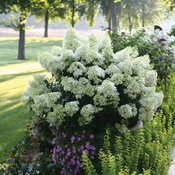
- Panicle hydrangeas (Hydrangea paniculata) are known for their large, conical flowers that can reach up to 12 inches in length. They come in a variety of colors, including white, pink, and blue. Panicle hydrangeas are hardy in USDA zones 3-8, and they prefer full sun to partial shade.
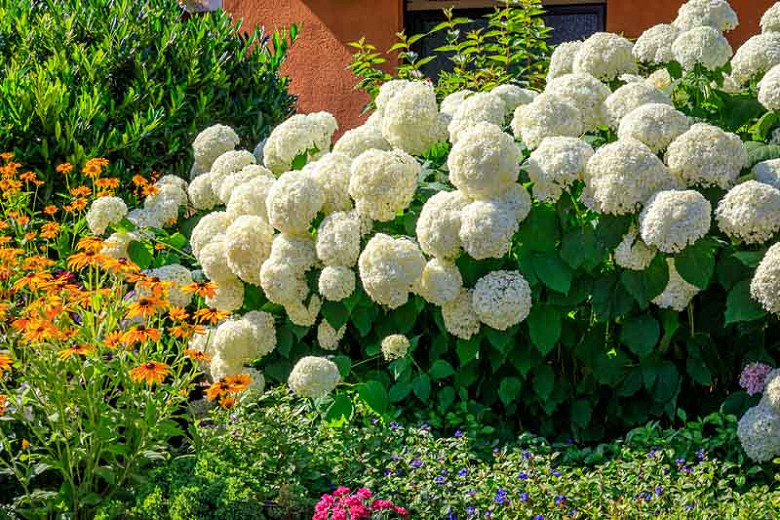
- Smooth hydrangeas (Hydrangea arborescens) are another good choice for late-blooming hydrangeas. They produce large, flat-topped clusters of flowers that can reach up to 10 inches in diameter. Smooth hydrangeas come in white, pink, and blue, and they are hardy in USDA zones 3-9. They prefer full sun to partial shade.
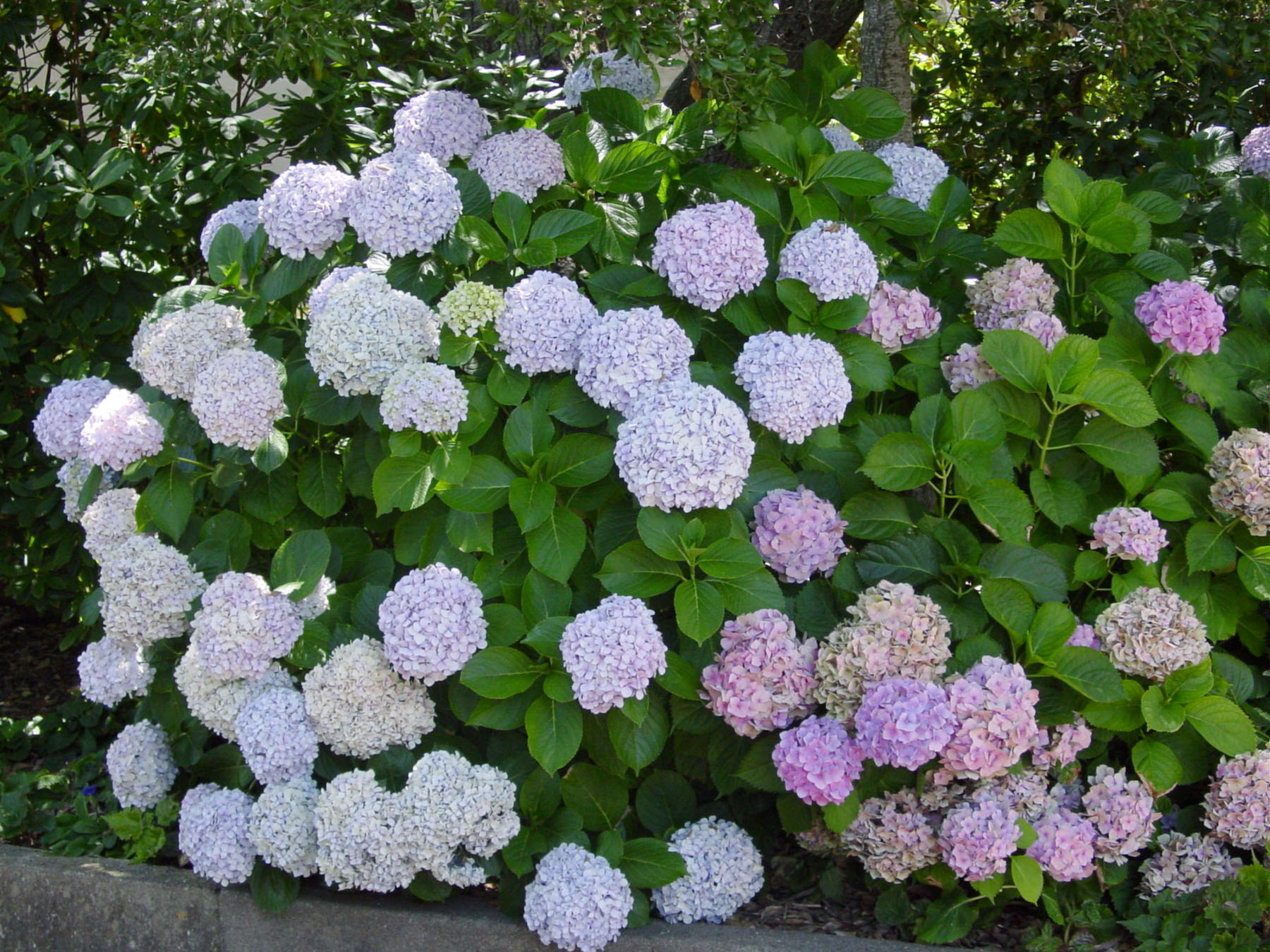
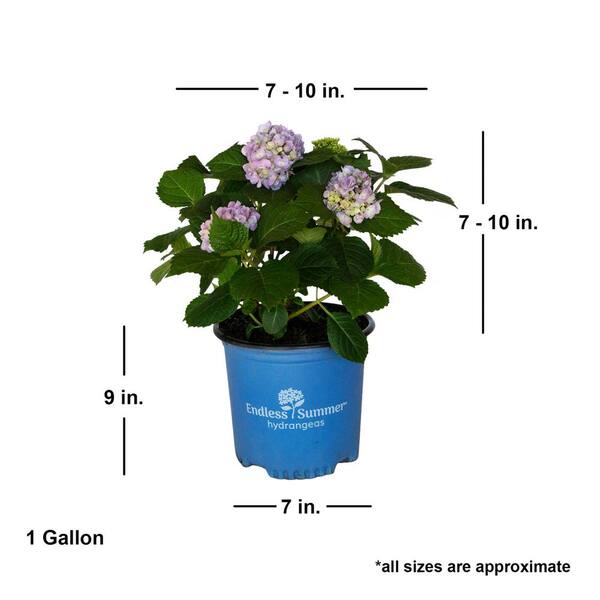
- Bigleaf hydrangeas (Hydrangea macrophylla) are the most common type of hydrangea, and they can also bloom late in the season. However, bigleaf hydrangeas are not as hardy as some of the other late-blooming varieties, and they are only hardy in USDA zones 5-9. They prefer partial shade to full shade.
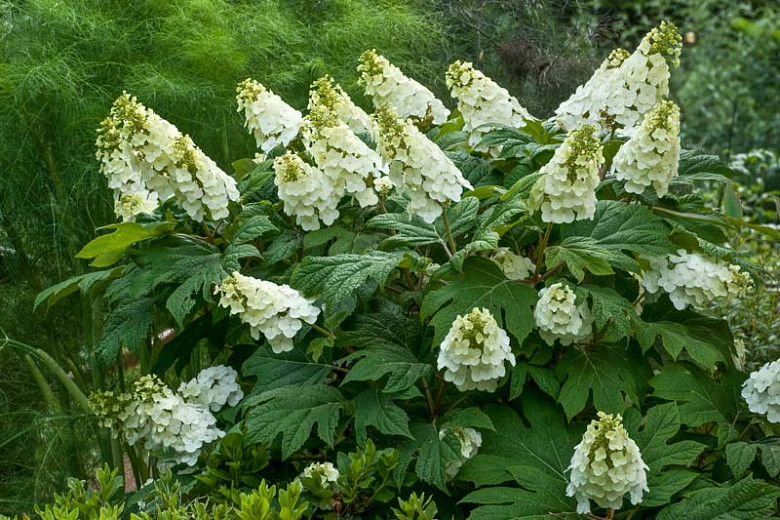
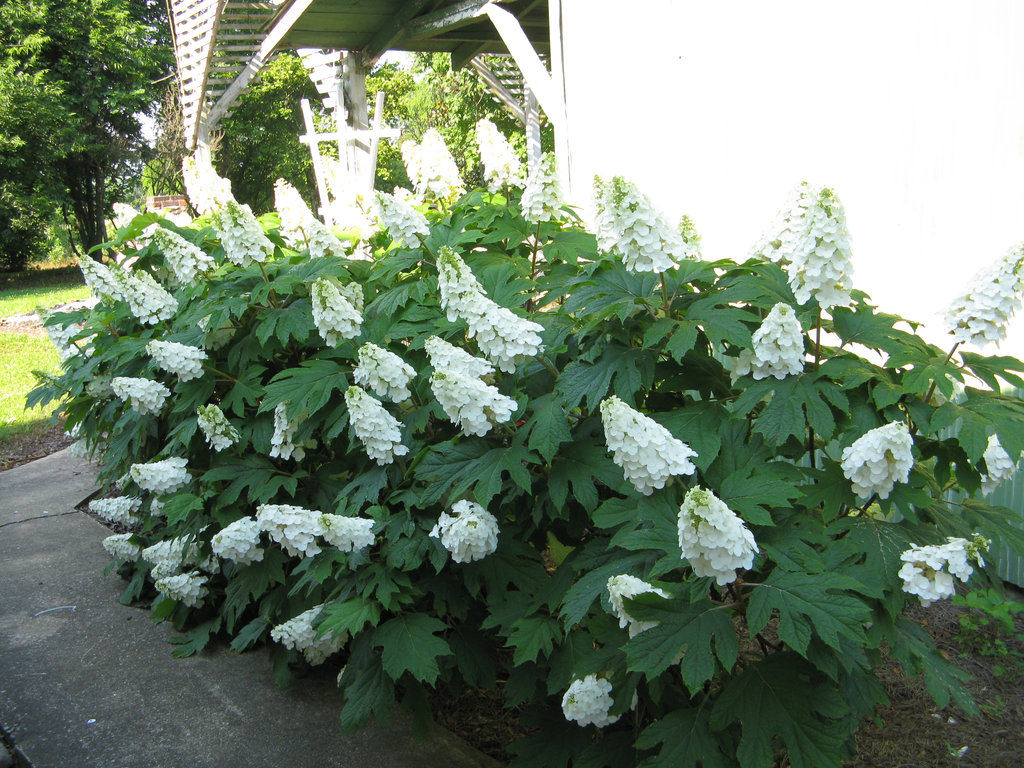
- Oakleaf hydrangeas (Hydrangea quercifolia) are a unique type of hydrangea that produces large, oak-shaped leaves. Their flowers are smaller than those of other hydrangeas, but they are also more fragrant. Oakleaf hydrangeas are hardy in USDA zones 5-9, and they prefer partial shade to full shade.
No matter which late-blooming hydrangea you choose, you're sure to enjoy its beautiful flowers for weeks to come. These shrubs are a great way to add color and interest to your garden during the shoulder seasons, and they're relatively easy to care for.
Here are some tips for caring for late-blooming hydrangeas:
- Plant them in well-drained soil in a location that gets full sun to partial shade.
- Water them regularly, especially during hot, dry weather.
- Fertilize them in the spring with a balanced fertilizer.
- Deadhead spent flowers to encourage new blooms.
- Protect them from winter cold if they are not hardy in your area.
With a little care, your late-blooming hydrangeas will thrive and provide you with years of enjoyment.
If you're looking for a hydrangea that will bloom late into the summer and into the fall, then you'll want to check out . This website has a wealth of information on late blooming hydrangeas, including:
- A variety of different late blooming hydrangeas to choose from, with photos and descriptions of each one
- Information on how to care for late blooming hydrangeas, including planting, watering, and pruning
- Tips on how to extend the bloom time of your late blooming hydrangeas
is also a great resource for gardeners of all levels of experience. Whether you're a beginner just starting out with hydrangeas or you're a seasoned pro, you're sure to find something useful on this website.
So what are you waiting for? Visit today to learn more about late blooming hydrangeas!
FAQ of late blooming hydrangea
- What are late blooming hydrangeas?
Late blooming hydrangeas are a type of hydrangea that blooms later in the season, typically in late summer or early fall. They are known for their large, showy flowers that can come in a variety of colors, including blue, pink, purple, and white.
- Why do hydrangeas bloom late?
The timing of hydrangea blooms is determined by the amount of sunlight they receive. Late blooming hydrangeas need more sunlight than early blooming hydrangeas in order to flower. If a late blooming hydrangea does not receive enough sunlight, it may not bloom at all or it may bloom later than usual.
- How do I care for a late blooming hydrangea?
Late blooming hydrangeas require full sun to partial shade and well-drained soil. They should be watered regularly, especially during hot, dry weather. Fertilize them in the spring with a balanced fertilizer. Deadhead spent blooms to encourage new growth and more flowers.
- How can I make my hydrangeas bloom later?
If you want your hydrangeas to bloom later in the season, you can do a few things. First, plant them in a location that receives full sun to partial shade. Second, fertilize them in the spring with a fertilizer that is high in phosphorus. Third, deadhead spent blooms regularly. Finally, you can try using a late blooming hydrangea variety.
- What are some common problems with late blooming hydrangeas?
Some common problems with late blooming hydrangeas include:
- Leaf scorch: This is caused by too much sunlight.
- Pests and diseases: Hydrangeas can be susceptible to a variety of pests and diseases, such as aphids, scale, and powdery mildew.
- Root rot: This is a serious problem that can kill a hydrangea. It is caused by overwatering and poor drainage.
Image of late blooming hydrangea
- Porcelain Hydrangea blooms in late summer to early fall. It has large, cup-shaped flowers that can grow up to 12 inches in diameter. The flowers are typically white or pale pink, but can also be blue or purple depending on the soil pH.
- Smooth Hydrangea blooms in late summer to early fall. It has large, panicle-shaped flowers that can grow up to 18 inches in length. The flowers are typically white, but can also be pink or blue depending on the soil pH.
- Panicle Hydrangea blooms in late summer to early fall. It has large, panicle-shaped flowers that can grow up to 24 inches in length. The flowers are typically white, but can also be pink, blue, or purple depending on the soil pH.

- Bigleaf Hydrangea blooms in late summer to early fall. It has large, round flowers that can grow up to 12 inches in diameter. The flowers are typically white, but can also be pink, blue, or purple depending on the soil pH.

- Oakleaf Hydrangea blooms in late summer to early fall. It has large, cone-shaped flowers that can grow up to 12 inches in length. The flowers are typically white, but can also be pink or blue depending on the soil pH.

Post a Comment for "Late Bloomers: The Best Hydrangeas For A Longlasting Show"